



Nature Advisory starts marine fauna survey program for the Gippsland-01 Offshore Wind Farm
Nature Advisory is conducting marine fauna surveys in Bass Strait to support Ørsted's offshore wind farm design and protect marine biodiversity.
1 min read
When the sun goes down, bats take flight — and their echolocation calls carry valuable data about not just the species but also the way in which they utilise the landscape. Bat call analysis might sound niche, but it also plays a vital role in environmental planning and biodiversity protection across Australia and Nature Advisory’s Bat Team is here to listen.
Most bats use echolocation by emitting a high-frequency sound that helps them navigate and find prey, in a similar way to dolphins. “Echolocation can’t be heard by the human ear, so we need to use ultrasonic microphones, known as bat detectors, to capture that data” says Danielle Eastick, Senior Ecologist and Bat Specialist with Nature Advisory’s Bat Team.
“Just like humans, bats make a variety of different sounds and noises. Some of these are social such as calls of distress or joy. However, we are interested in their general navigational calls for species ID. The variation in pattern, such as frequency and duration, are some key markers that can help us identify specific species of bats. It also can tell us a lot about their behaviour and how they interact with their environment. We use software to turn these sounds into visual representations known as spectrograms” explains Danielle.
In Australia, bat (and bird) surveys are required as part of environmental impact assessments for all development projects.
“Nature Advisory is known for providing environmental impact assessment services, including bird and bat analysis, to the wind energy sector” says Rodney Armistead, Bat Specialist with Nature Advisory. “But the fact that Nature Advisory has developed an in-house capability for bat call analysis means that we can not only support the renewable energy sector in achieving sustainable outcomes, but we can also provide this service to researchers working in conservation and other natural science industries.”
Bat call analysis is a specialised field, and is invaluable in understanding species behaviour, informing development assessments, and supporting conservation outcomes. Nature Advisory’s Bat Team is helping clients make informed, evidence-based decisions that benefit both biodiversity and project outcomes.
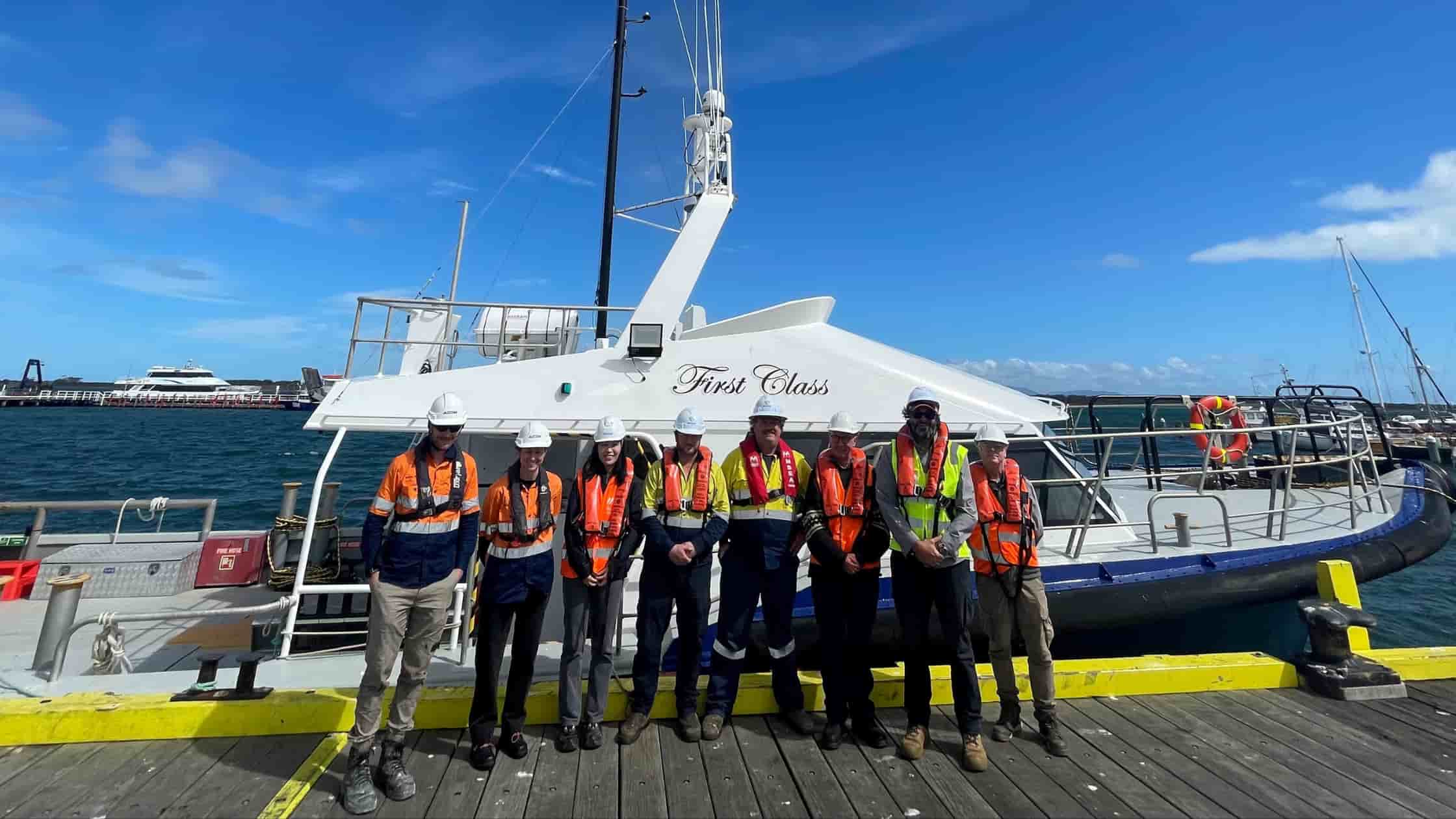
Nature Advisory is conducting marine fauna surveys in Bass Strait to support Ørsted's offshore wind farm design and protect marine biodiversity.
Discover how Victoria’s updated renewable energy guidelines protect biodiversity, with expert insights on birds, bats, and wind energy development.
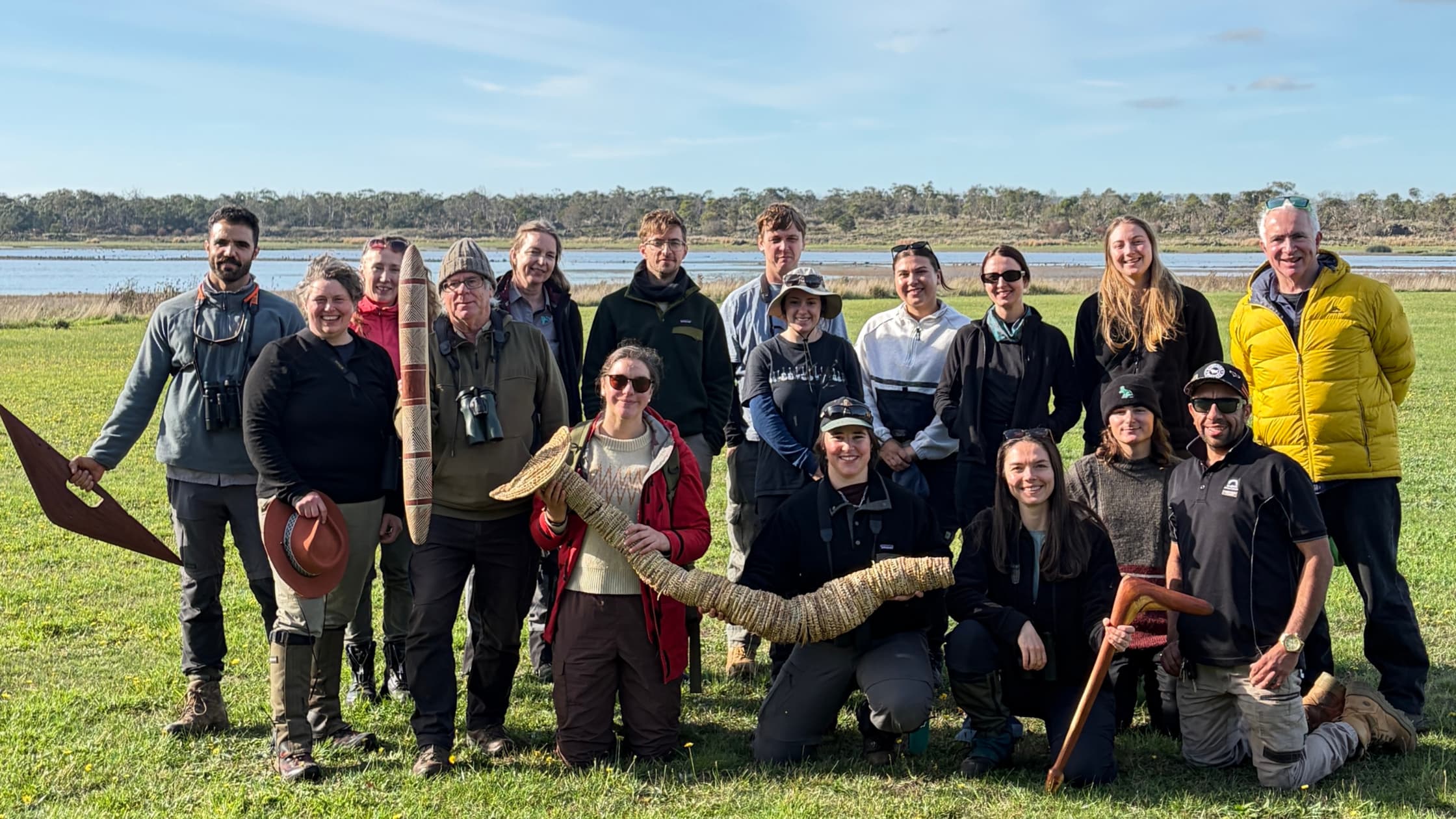
See how Nature Advisory's Zoological Training Camp helps staff build field skills, share knowledge and grow their careers through hands-on...