BUSHFIRE PLANNING
Bushfire and ecology planning that works together
Bushfire protection often requires vegetation removal. Ecology requires vegetation protection. They're in direct conflict on most sites. We consider both - so your design doesn't have to compromise on safety or environment.
What this solves
Bushfire management and ecology requirements are directly in conflict. Bushfire planning requires defendable space (vegetation removal); ecology requires vegetation protection. When assessed separately, projects ping-pong between requirements, creating regulatory delays, design contradictions, and suboptimal outcomes.
Regulators often require rework when bushfire and ecology recommendations conflict. Early integrated planning prevents multiple revision cycles and delivers designs that satisfy both safety and environmental requirements.
Early integrated planning delivers designs that satisfy both safety and environmental requirements.
Integrated Bushfire Planning
We address bushfire and ecology requirements together from the start, finding design solutions that satisfy both.
Deliverables include: Integrated Bushfire-Ecology Assessment
1
Understand bushfire risk and ecology values
Bushfire risk assessment identifies hazard vegetation and required defendable space. Ecological assessment identifies native vegetation, threatened species, and habitat constraints. Understanding both simultaneously shapes early design thinking.
2
Identify conflicts and options
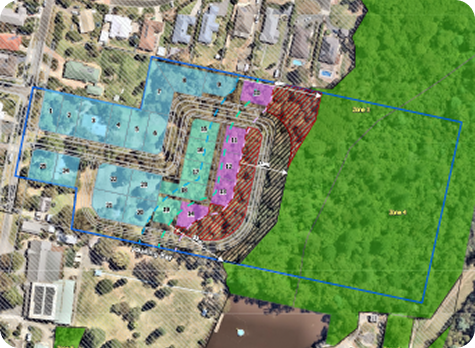
We map where bushfire and ecology requirements conflict - typically where vegetation protection overlaps with required defendable space. Rather than choosing one or the other, we identify design alternatives, this could be relocate building; increase construction standards; retention of significant canopy trees; refine site layout to protect key habitat.
3
Design integrated solutions
Work collaboratively with bushfire and ecology teams to develop designs that satisfy both. This might mean: building placement that protects high-value habitat or even construction standard upgrades that reduce vegetation removal requirements.
4
Regulatory engagement
Post-approval monitoring, management plans as required by permit conditions, offset site identification and surveys, and annual compliance reporting.
Why Nature Advisory
We understand both disciplines. Bushfire safety is non-negotiable (it's life-threatening). But environmental regulators often recommend building standard improvements rather than excessive vegetation removal. We identify these options early so your design satisfies safety without destroying ecology.
We prevent regulatory conflict through early integration. Separate assessments create the ping-pong effect. Integrated planning aligns regulator expectations upfront.
We design for feasibility. We know what construction standards can achieve, where landscape design can substitute for clearance, and which habitat can be strategically retained within defendable space.
Early bushfire-ecology planning costs less than late discovery of conflicting requirements, followed by design revisions and regulatory back-and-forth.
Specialist team
All advice is grounded in ecological science and tested against real-world project outcomes.
Chris Armstrong
Team Lead, Property Development and Conservation
Discuss your assessment needs
Get in touch with our team to discuss how we can help you navigate environmental challenges and deliver practical solutions.
Column 2