RENEWABLE ENERGY
Renewable energy ecological expertise across wind, solar, and emerging technologies
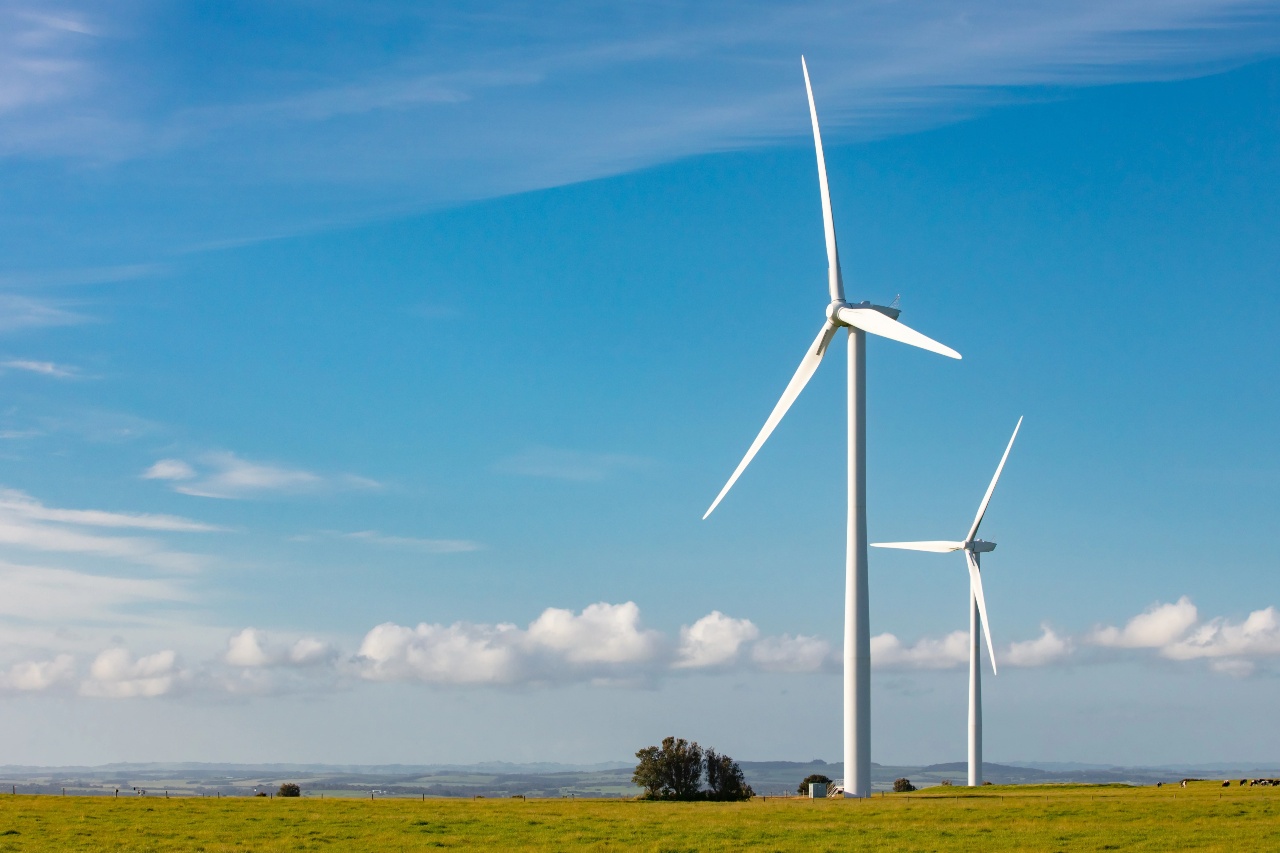
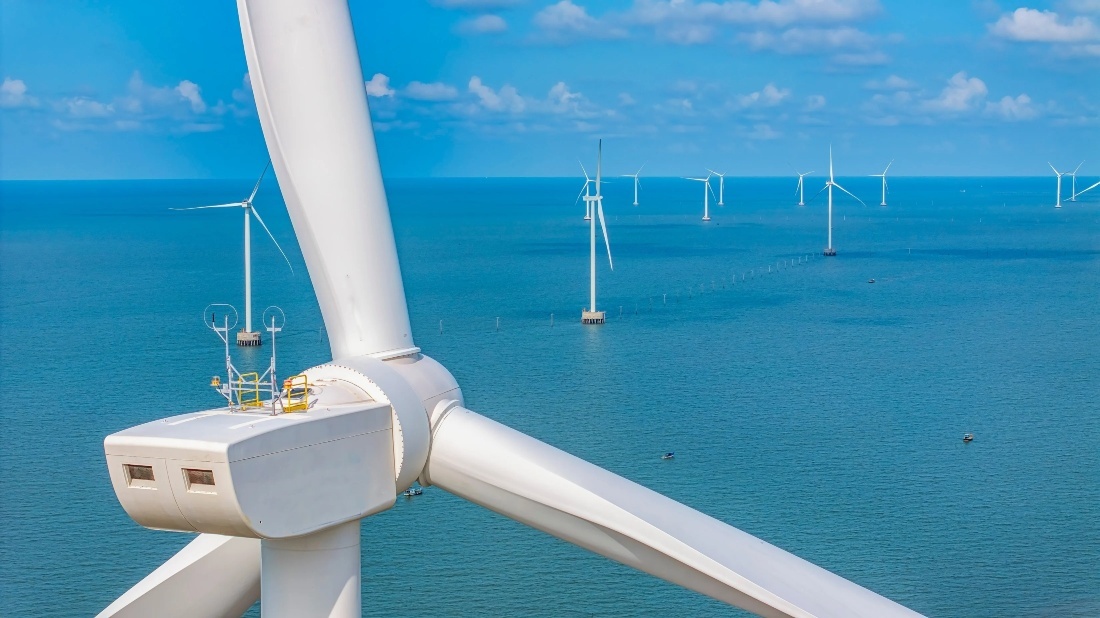
200+ renewable projects nationwide. We're the ecological partner bringing new technology to the sector, such as AI-assisted surveys, while maintaining the regulatory relationships and specialist expertise complex renewable developments demand.
200+ Renewable Projects (180 Wind, 20+ Solar)
Nationwide Coverage
Contributed to the Handbook for the Development of Renewable Energy in Victoria
Nature Positive Expertise
Renewable Energy Project Lifecycle
1
Site Feasibility & Scoping
What we do
Site assessment for plant and wildlife presence, cross-checked against biodiversity databases. Assess migratory paths and habitat for species that could impact your project.
Deliverables
Overview assessment report with risk recommendations, survey scope, and budget estimate.
2
Environmental Assessment & Planning
What we do
Wind: collision risk assessment and 2-year bird/bat surveys.
Solar: vegetation and habitat assessment over shorter timeline.
Deliverables
Baseline assessment report for regulatory submission.
3
Regulatory Approvals
What we do
Finalise impact assessment, provide strategic advice, interpret between client and regulator. Expert witness testimony for contentious projects.
Deliverables
Final assessment reports, regulatory liaison, expert witness services.
4
Construction & Operations
What we do
Construction: Wildlife Management Plans, bird/bat surveys.
Operations: ongoing monitoring, trigger protocols, adaptive management.
Deliverables
Management plans, monitoring reports, compliance support.
The challenges that shape your approvals
- Bird & Bat Collision Assessment
- Native Vegetation Impact (Solar)
- Migratory Species
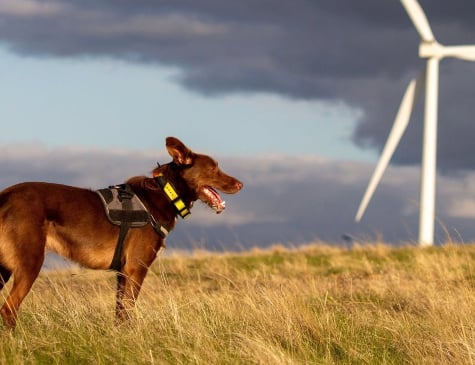
Bird & Bat Collision Assessment
Our core expertise. Collision risk assessment, operational monitoring, and emerging mitigation technologies.
Native Vegetation Impact (Solar)
While solar has a lower fauna impact, vegetation clearing still requires assessment and offset strategies.
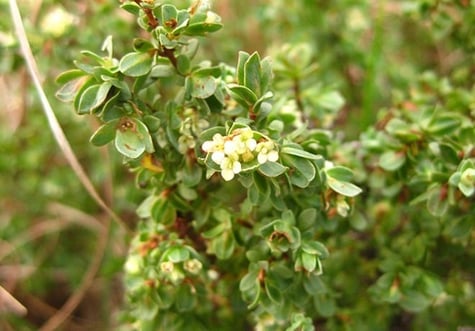
Migratory Species
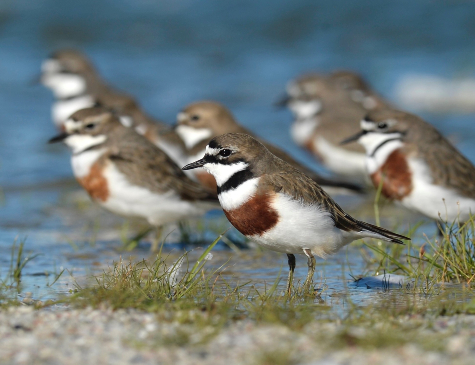
Projects affecting migratory routes require federal EPBC consideration and specialist survey methods.
Services frequently delivered to this sector
-
Ecological Constraints Assessment
Mapping and assessment of site-specific ecological constraints that will affect development design, layout, and approval pathway. We assess native vegetation, threatened species habitat, buffer requirements, and regulatory triggers, then overlay your development footprint to identify conflicts, avoidance opportunities, and offset obligations before you lodge applications.
-
Flora and Fauna Assessment
Comprehensive species and community inventory that documents ecological values at your site, forming the foundation for impact assessment and regulatory approval. You'll need this for statutory approvals, EPBC referrals, offset calculations, and any project requiring detailed biodiversity baseline data.
-
Native Vegetation Assessments
Detailed assessment of vegetation communities, condition, and conservation significance under state planning schemes and EPBC Act, including habitat hectare assessments using DEECA-approved methodology. Essential for land development, infrastructure, and any project affecting native vegetation - determines offset requirements and informs regulatory approvals.
-
EPBC Act Referrals
Formal documentation submitted to the Department of Climate Change, Energy, Environment and Water to determine if your project requires Commonwealth environmental assessment. Essential when you need certainty about Commonwealth requirements before proceeding, or when impacts to listed species/communities are likely.
-
Offset Strategies
Federal offsets required when your project impacts Matters of National Environmental Significance, such as threatened species, ecological communities, or Ramsar wetlands listed under the EPBC Act. We assess offset requirements using the Commonwealth offset calculator, identify sites that deliver the required conservation outcomes, and prepare offset strategies for EPBC approval.
-
Land Management Plans
Long-term strategic frameworks for managing vegetation, habitat, and ecological values across your site post-development, often linked to offset requirements or conservation covenants. Required when offset obligations exist, or when ongoing habitat management is a condition of approval.
-
Conservation Plans
Detailed strategies for protecting and enhancing specific ecological communities or threatened species, often informing broader property management or restoration efforts. Needed when your project must deliver conservation outcomes or when regulatory approval requires demonstrated conservation commitment.
Discuss your renewable energy project
Column 2