

What is the Nature Repair Market?
The Nature Repair Market is Australia’s first legislated biodiversity market, designed to incentivise restoration and protection of our environment.
3 min read
The Nature Repair Market, national voluntary biodiversity marketing, has released its first methodology; Replanting Native Forest and Woodland Ecosystems. In this blog, we’ll be answering some common questions around what the method covers, eligibility, how to measure biodiversity, as well as compliance and monitoring requirements.
As the name suggests, the Replanting Native Forest and Woodland Ecosystems Method seeks to re-establish native vegetation and support ecosystems by planting native plant species that were present, or likely to have been present, on the land, prior to historical land clearing.
Replanting projects carried out as part of remediation for a breach or violation are not covered under this method and are not eligible to receive a biodiversity certificate.
To be eligible, projects must be contained entirely within specific Australian regions and meet land eligibility requirements, such as:
(*The land must not contain existing woody biomass unless: the species are native to the local area and are consistent with the reference ecosystem for the area; and the stems of any trees and shrubs have a diameter of less than 5cm at breast height; and the density of saplings of native canopy tree species more than 50 cm tall is no more than 3 stems per 10m x 10m of land.)
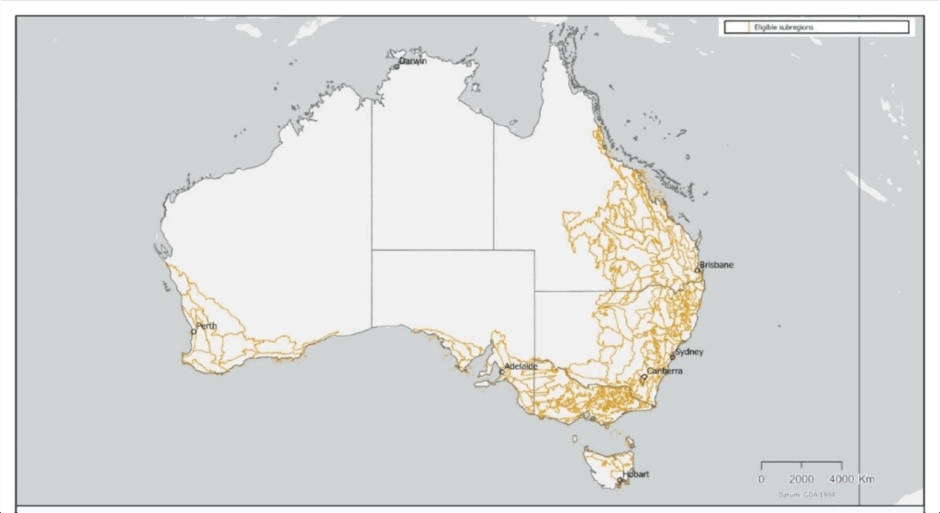
Figure 1: Map of regions that are eligible under the method. Image from Clean Energy Regulator.
Given that some Australian native species can take years or even decades to mature, project periods (known as permanence periods) are set, by default, to either 25 or 100 years. These periods start from when the project is approved for registration with the Nature Repair Market. The individual or organisation (the project proponent) responsible for carrying out the project must specify the permanence period at registration.
To help ensure the ongoing success of each project under the method, project proponents will need to track the ecosystem’s condition throughout the life of the project.
This is tracked through a range of indicators including:
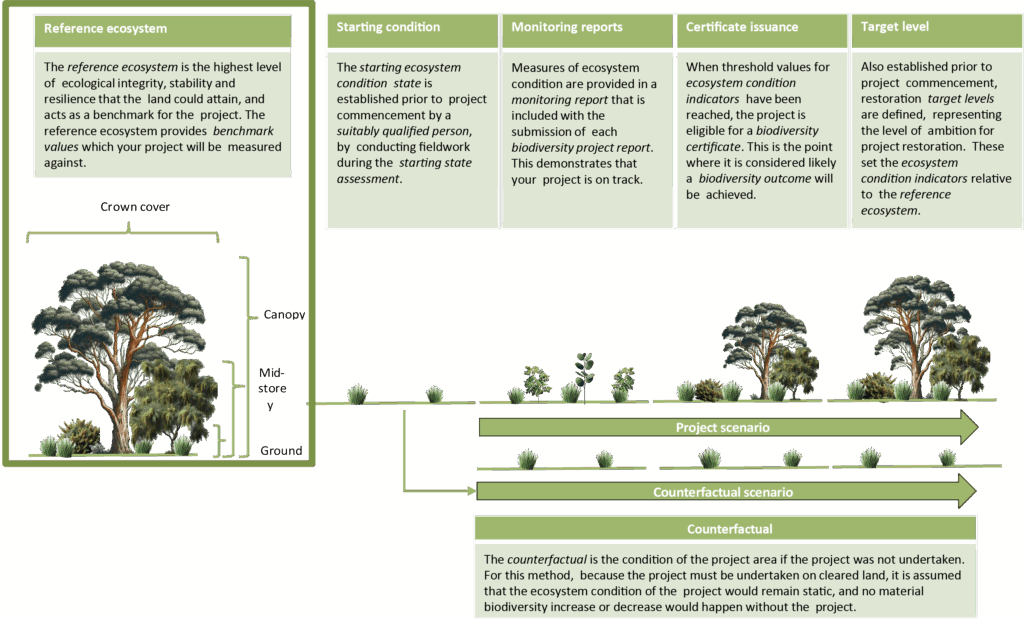
Figure 2 Timeline of ecosystem condition through key checkpoints. Image from Clean Energy Regulator
Project proponents will only be able to apply for a biodiversity certificate when certain targets have been met, and it is considered likely that the project aims will be achieved. This is determined by comparing growth to benchmark values established in the project’s initial site assessment. These assessments need to be completed by a Suitable Qualified Person and will need to be submitted with your application to register your project with the Nature Repair Market.
Under the method, project proponents are required to engage a Suitable Qualified Person (SQP) to help with your project. Under the method, a SQP must:
To receive a biodiversity certificate under the method, the project proponent must engage a suitably qualified person to help monitor and report on the status of the project. These reports must adhere to data submission guidelines, and, depending on the specifics of your project, could include information such as:
Restoring native ecosystems through the Nature Repair Market isn’t just about planting trees—it’s about long-term commitment, careful planning, and ongoing monitoring. Without the right expertise and a strong understanding of the method, projects can stall or fall short of their goals.
But with the right support and a clear roadmap, these projects can deliver meaningful, measurable biodiversity outcomes—and make a real difference to Australia’s biodiversity and environment.
The Nature Repair Market is Australia’s first legislated biodiversity market, designed to incentivise restoration and protection of our environment.

Learn how indigenous pollinator-friendly design helps property developers create nature positive projects, enhance biodiversity and prepare for...
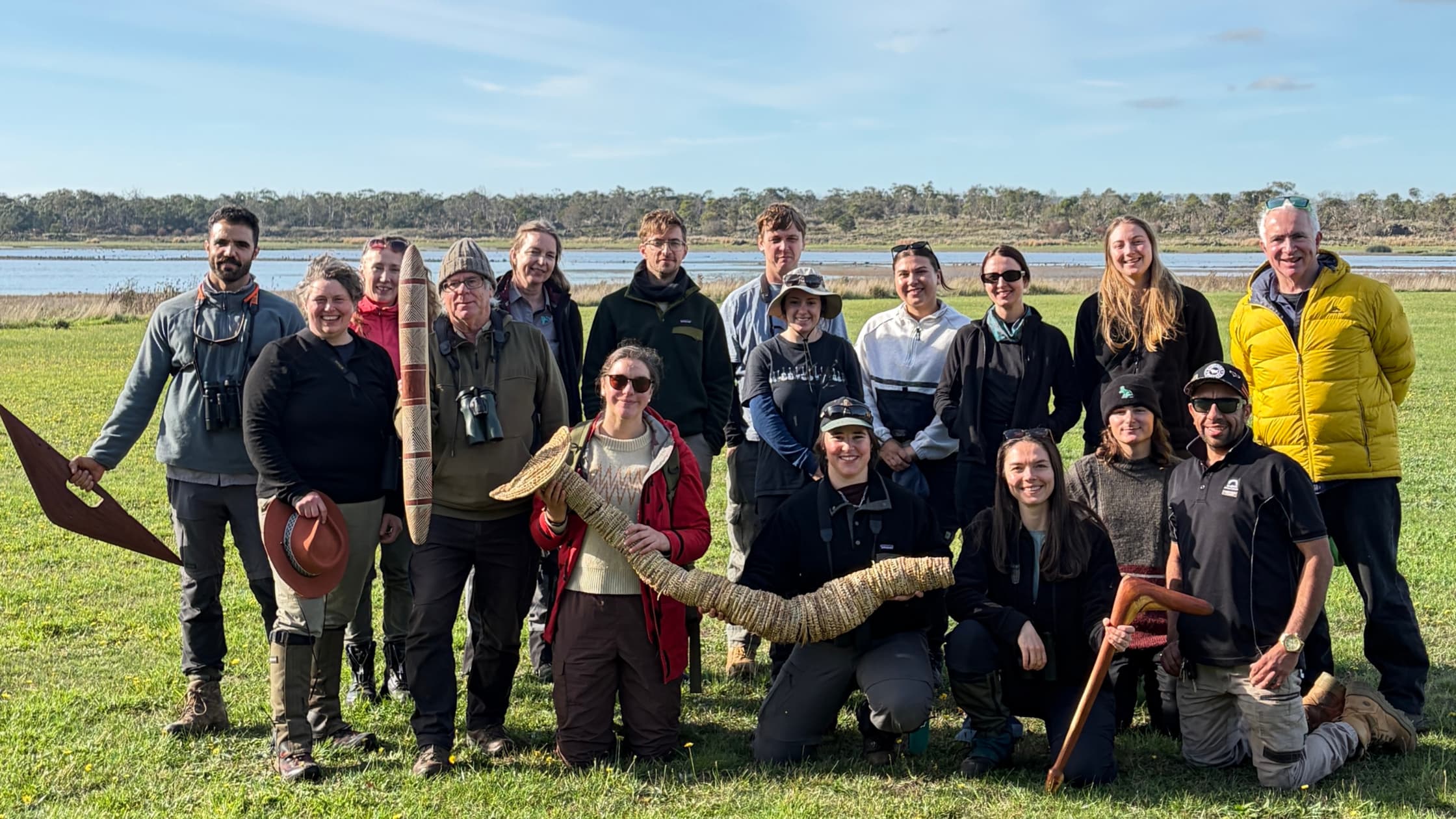
See how Nature Advisory's Zoological Training Camp helps staff build field skills, share knowledge and grow their careers through hands-on...