4 min read

Reflections from the 2026 Australian Wind Industry Forum: Progress, Policy and Purpose

AWIF2026_LotusHackenberger
Nature Advisory's Project Officer, Lotus Hackenberger, reflects on her attendance at the 2026 Australian Wind Industry Forum (image by Clean Energy Council)

It was a quintessential crisp Melbourne morning as I arrived at Centrepiece for my 3rd Australian Wind Industry Forum. The venue scored high for aesthics as did Nature Advisory’s stand neighbour, Identiflight, for their merch; my favourite of which was a deck of cards used to train their AI systems (which I took as a gift for my Nan).

The forum sessions began with an emotive slide show showing all the people involved throughout the renewable energy transition, and reminded me that although I am an individual working in the wind energy space, I am a part of something much larger, and reinforced the magnitude of the energy transition.

Here are some of my insights from the 2026 Australian Wind Industry Forum:

Keynote Breakdown

Jackie Trad, CEO of Clean Energy Council (CEC)

AWIF202_JackieTrad
Clean Energy Council CEO, Jackie Trad, opens the 2026 Australian Wind Industry Forum. (Image by Clean Energy Council)

Jackie Trad started us off with some compelling statistics on the renewable energy transition as a whole and the progress and challenges still to come.

  • I liked her contextualising the transition within the global context of the war in the Middle East and the significance of the need to transition for both economic and security reasons, as this framing works wonders on those perhaps less in it for nature.
  • I appreciated Jackie noting the significant change in the challenge the industry faces. The key barrier now is building at the pace required compared to not all that long ago, when we were still trying to argue the need/benefits for renewable energy. This made me reflect on how far we have come as a movement.
  • Her spelling out the lock jam the industry is in regarding transmission connection and getting projects that have been approved actually up and running and connected to the grid was eye-opening; however, to me, this challenge seems far less existential than climate deniers and a lack of political will.
  • The Victorian Labor Government is committed to reducing the EES process down to 18 months
  • They have passed the required laws to ensure the development of the Western Renewables Link (WRL) and the Victoria to New South Wales Interconnector West (VNI West) projects
  • With Victoria currently being 44.6% renewables, they are confident they will meet the 2030 target of 60%
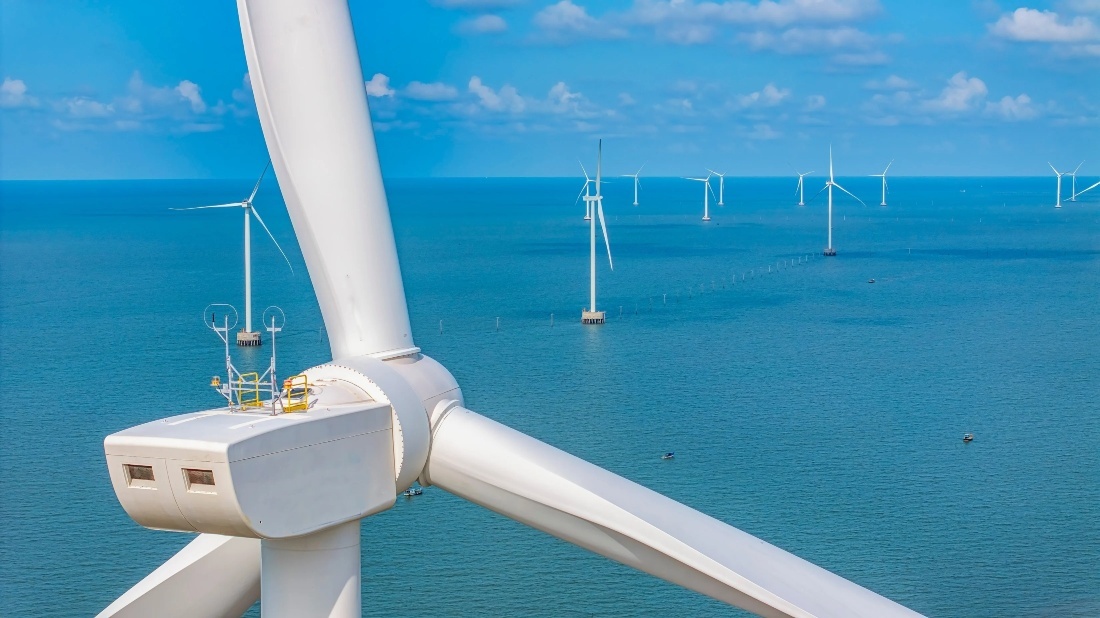
  • The Victorian Labor Government is committed to Offshore, with the first offshore wind auction due to start in August 2026
  • That onshore wind is not competing with offshore wind
  • That the importance of community engagement cannot be downplayed
  • A need for a shift away from the use of the term ‘social license’ as it sounds transactional

Lily D’Ambrosio, Victorian Minister for Energy / Climate Action

AWIF2026LilyDAmbrosio

CEC CEO, Jackie Trad, with Victorian Minister for Energy /  Climate Action, Hon. Lily D'Ambrosio. (Image by Clean Energy Council).

Next up was Lily D'Ambrosio, the Victorian minister for Energy / Climate Action. The CEC’s critical questioning of Lily centred around offshore wind, the role of gas and whether Victoria will be able to meet its targets.

A few commitments from Lily for the broader industry:

  • The Victorian Labor Government is committed to reducing the EES process down to 18 months
  • The current government have passed legislation to ensure the development of the Western Renewables Link (WRL) and the Victoria to New South Wales Interconnector West (VNI West) projects
  • With Victorian electricity grid at 44.6% renewables, they are confident they will meet the 2030 target of 60%
  • The Victorian Labor Government is committed to Offshore, with the first offshore wind auction due to start in August 2026

David Davis, Shadow Minister for Energy

AWIF2026_DavidDavis
CEC CEO, Jackie Trad, with Shadow Energy Minister, Hon. David Davis. (Image by Clean Energy Council)

David Davis, Shadow Energy Minister, presented the Victorian Liberal Party’s position on energy policy as part of a broader discussion on state and federal approached to renewable energy development

  • Outlined a proposal for a 2km buffer between turbines and existing dwellings
  • Raised concerns about the treatment of regional communities
  • Critiqued federal energy processes as overly intrusive and advocated for greater state control over energy decision-making
  • Expressed support for low-emission projects within the policy framework

Industry Outlook Panel

AWIF2026_IndustryOutlookPannel
(From Left): Morgan Rossiter (CEC), Peter Cowling (Envision Energy), Tony Mahar (Australian Energy Infrastructure Commissioner), Erin Coldham (Southerly Ten), and Bianca Claassen (SEC). (Image by Clean Energy Council)

The final set of speakers for the morning session was an Industry Outlook panel which included Morgan Rossiter (CEC), Peter Cowling (Envision Energy), Bianca Claassen (SEC), Erin Coldham (Southernly Ten) and Tony Mahar (Australian Energy Infrastructure Commissioner).

My favourite take-home messages from this panel were:

  • That onshore wind is not competing with offshore wind
  • That the importance of community engagement cannot be downplayed
  • A need for a shift away from the use of the term ‘social license’ as it sounds transactional

Overall, I left the first session feeling informed and reinvigorated to be working in the Wind Industry. It made me look around the room with pride at those who have been fighting this fight long before me and are still here working tirelessly.

Birds, Bats and Blades: Managing Bird and Bat Risks Across the Wind Project Lifecycle

After some well-deserved cake and another coffee, I went into the second session ‘Birds, bats and blades: Managing bird and bat risk across the wind project lifecycle’. Historically, biodiversity impacts can feel like an afterthought in these contexts, so it was quite exciting to feel like the importance of biodiversity was becoming a key issue for the Wind Industry.

  • Felicity Williams (Biosis) presented research into predicting bat impacts using stereo-thermal cameras and machine learning. This was an exciting presentation as the information currently collected through song meters does not provide anywhere near the detail that this new approach would enable. This would be significant as it could lead to smarter curtailment, which could both improve biodiversity outcomes for bats, and also a US study found it could create up to a 50% reduction in energy loss.
  • Ned Bowden (Niche) outlined best practice considerations for undertaking risk assessment. He conveyed the significance of risk assessments, the importance of beginning this process early, and the need to consider non-threatened species within this process.
  • Elizabeth Stark (Symbolix), presented Collision Risk Modelling (CRM) work they have been undertaking through the RERI research projects.
  • Carlos Jorquera (Boulder Imaging) shared updates on Identiflight products and the successes from their rollout and the data collected globally.
  • A panel discussion highlighted key challenges in biodiversity assessments for Wind Farms, particularly around data accessibility and operating within uncertainty.

I then attended the afternoon sessions, which had some informative content on reforms to the EPBC Act and social engagement, landholder access, community benefit schemes and the importance of safety.

After plenty of cake and coffee along the way, I left with a long list of topics to explore further, a number of positive conversations, and a renewed sense of energy about the role I play in the renewable energy transition.
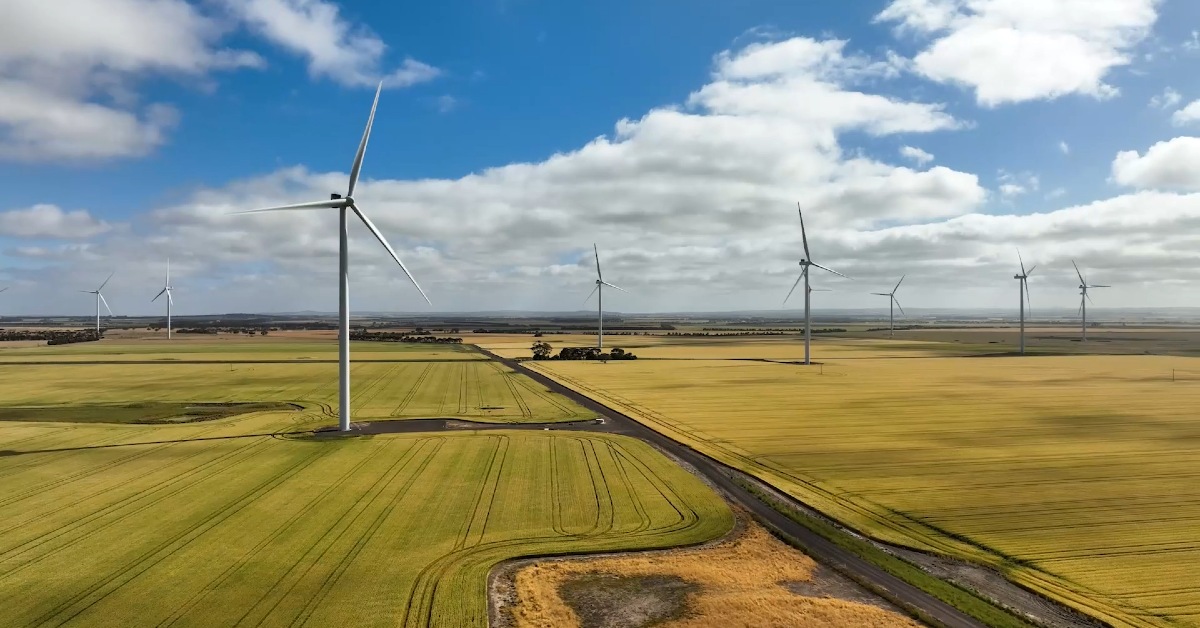
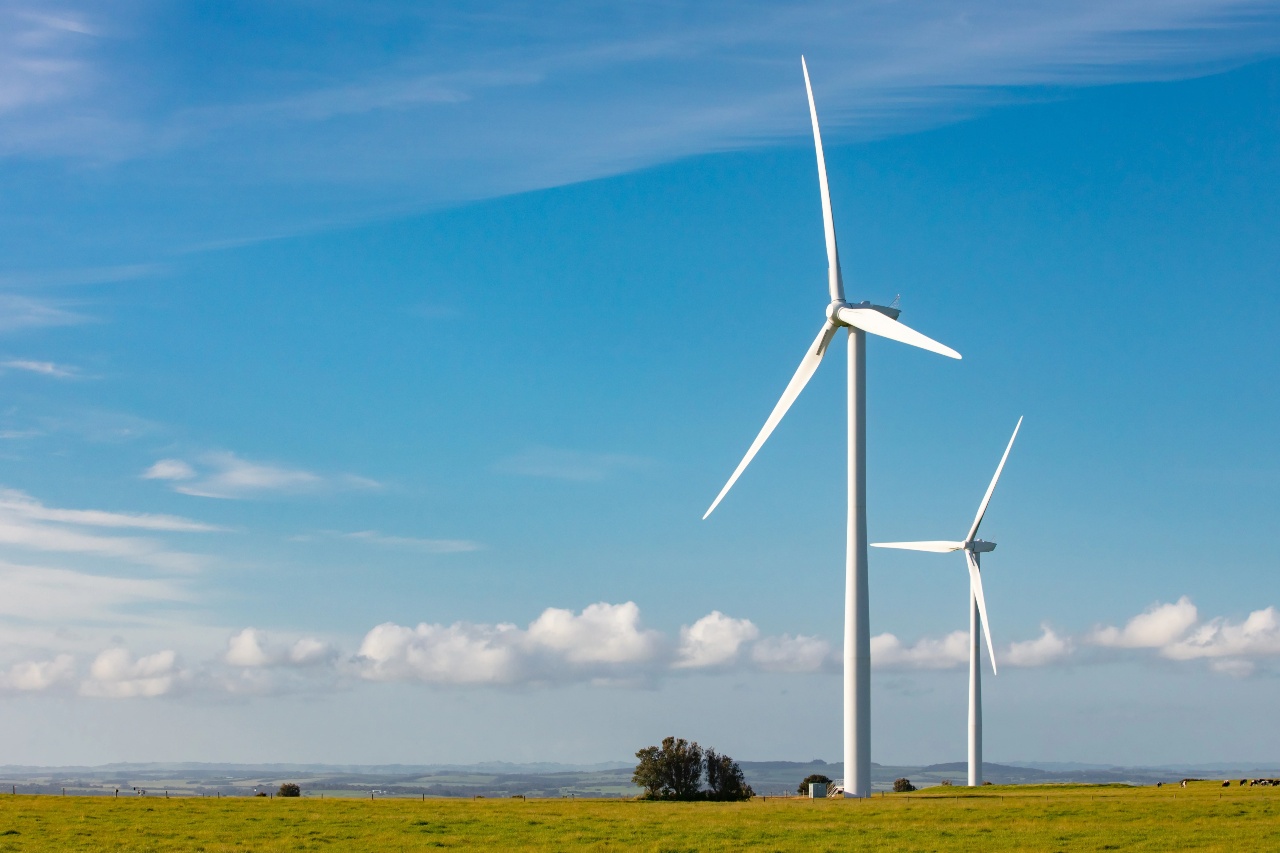
Nature Advisory welcomes guidance on biodiversity and wind energy in Victoria.

Nature Advisory welcomes guidance on biodiversity and wind energy in Victoria.

The Victorian Government has provided clearer guidance around the consideration of biodiversity and key species in the development of renewable...

Learn more
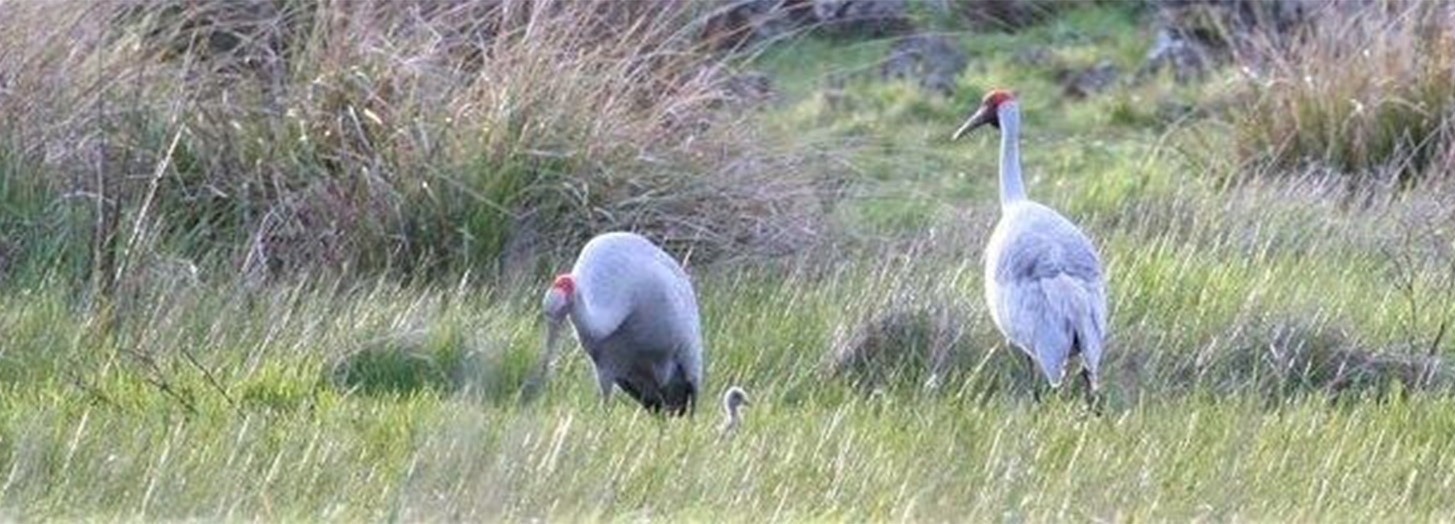
Draft Victorian Brolga Assessment and Mitigation Standards for Wind Farms

Draft Victorian Brolga Assessment and Mitigation Standards for Wind Farms

After several years’ incubation, the Draft Victorian Brolga assessment and mitigation standards for wind energy facility permit applications have...

Learn more
Nature Repair Market: A Brief Guide to Replanting Native Forest and Woodland Ecosystems Method

Nature Repair Market: A Brief Guide to Replanting Native Forest and Woodland Ecosystems Method

The Nature Repair Market, national voluntary biodiversity marketing, has released its first methodology; Replanting Native Forest and Woodland...

Learn more