



Bat Call Analysis in Action: Supporting Development, Conservation and Compliance
Bat call analysis is a critical tool for environmental impact assessments, biodiversity monitoring and conservation planning. Learn how Nature...
2 min read
At Nature Advisory, we know some of the best learning doesn't happen behind a desk. It happens in the field alongside experienced ecologists, sharing knowledge, building skills and getting out within the ecosystems we work to protect.
Recently, our Victorian Zoology team headed to Budj Bim Campground in Budj Bim National Park in Victoria’s west for a weekend Zoological Training Camp. Bringing together 29 team members from across the state, the camp was designed to build field skills, share expertise, and create opportunities for connection.
During the camp, participants took part in a range of practical training sessions covering specialist survey and monitoring techniques. This included Elliott trapping (a technique used to live-trap small to medium-sized mammals), aquatic trapping, harp trapping (a humane method for capturing bats in flight), bat detector deployment, threatened bird identification, Bird Utilisation Survey (BUS) methodology, and wetland ecology, including surveys for Brolga and Bittern species.
But training camps like this are about more than technical skills. They're also a chance to experience the variety, adventure and shared passion that make a career in ecology so rewarding. Evenings were spent spotlighting for Yellow-bellied Gliders, while day trips were spent exploring the cultural and ecological significance of Tae Rak (Lake Condah) with a fascinating tour focused on eel ecology and traditional harvesting practices. A lucky group of ten even headed offshore on a pelagic bird survey.
One of the most valuable aspects of the camp was the opportunity for people at different stages of their careers to learn from one another. Whether it was sharing field techniques, swapping stories from past projects or asking questions around the campfire, the camp created countless opportunities for mentoring, collaboration and professional growth.
At Nature Advisory, investing in our people means creating opportunities to keep learning, keep growing and keep exploring. Experiences like our Zoological Training Camp help our team build technical expertise, strengthen relationships, and enjoy the unique moments that come with a career spent connecting people, projects, and nature.
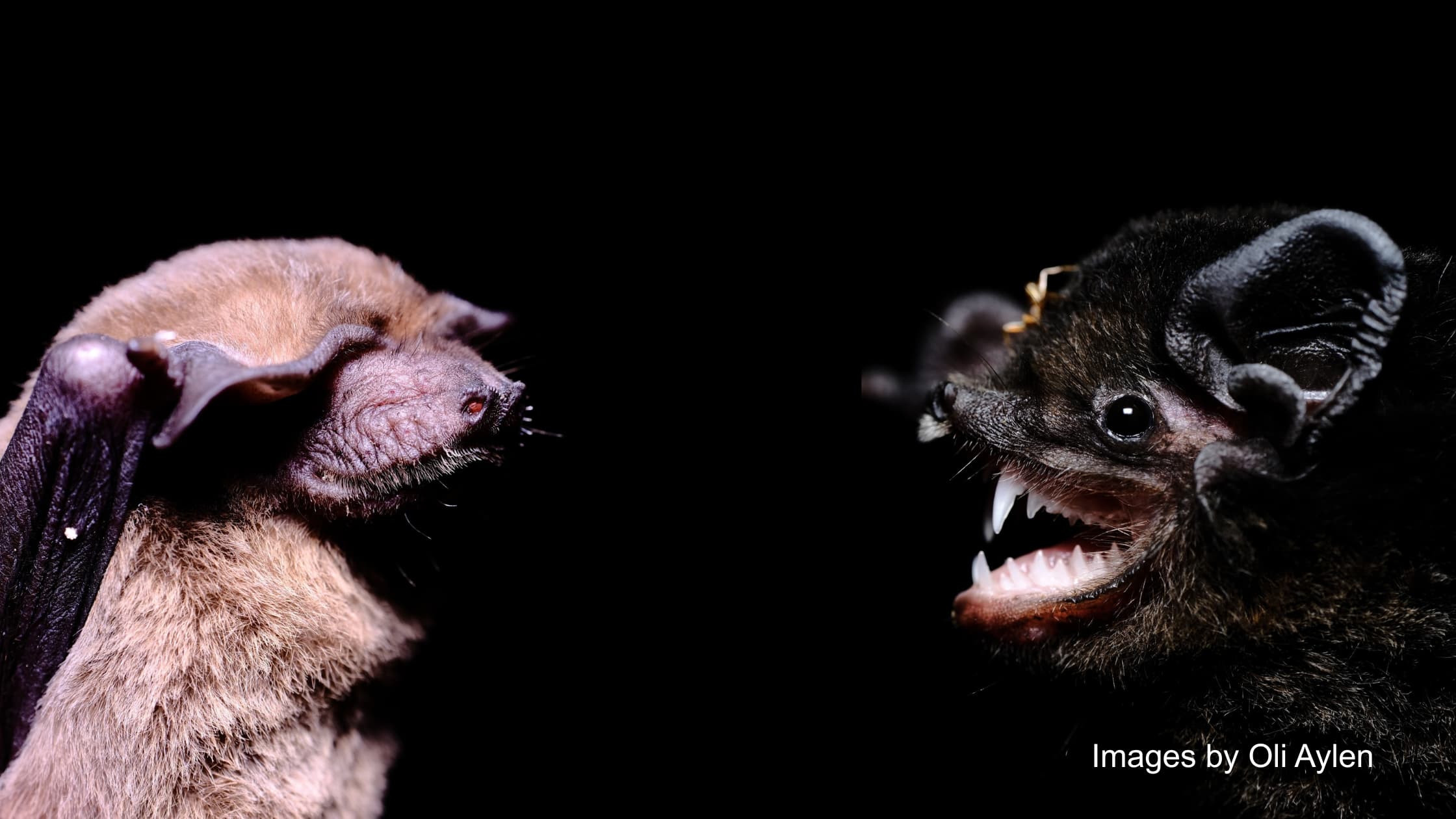
Bat call analysis is a critical tool for environmental impact assessments, biodiversity monitoring and conservation planning. Learn how Nature...
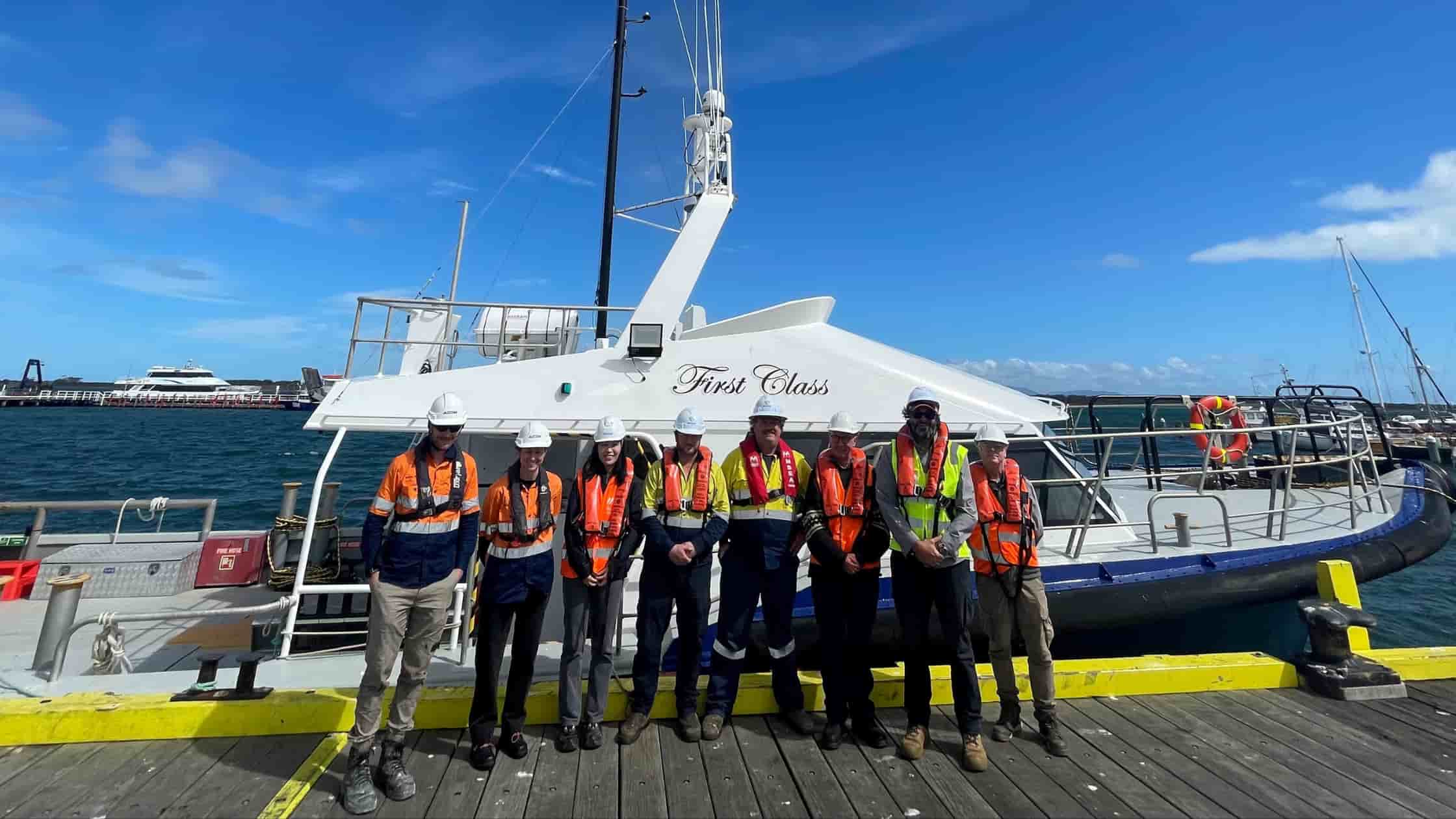
Nature Advisory is conducting marine fauna surveys in Bass Strait to support Ørsted's offshore wind farm design and protect marine biodiversity.
Discover key insights from the 2026 Clean Energy Council's Australian Wind Industry Forum, covering renewable energy policy, offshore and onshore...